
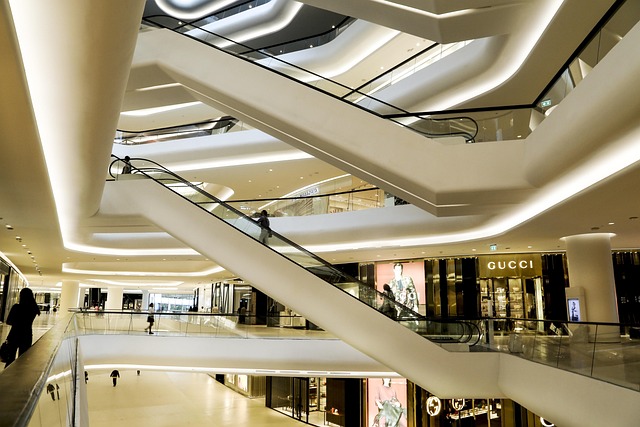
Retail environments now function as deliberate systems designed to speed decisions. Essentials are positioned within immediate reach of the entrance, while displays dominate sightlines with bold offers promising quick satisfaction. Lighting and signage shorten hesitation, guiding attention toward products meant to be claimed without delay. Movement through aisles becomes a current, pulling shoppers toward choices that feel fast and rewarding.
This acceleration reflects a cultural rhythm that favors immediacy over patience. Quick transactions echo digital habits, reinforcing a cycle of constant reward. Each feature of the store acts as a subtle teacher, conditioning shoppers to equate fulfillment with speed. The environment does more than support demand—it molds expectations of how swiftly satisfaction should arrive.
Store Layouts That Prioritize Immediacy Over Discovery
Modern retail layouts emphasize precision, reducing the space between attention and purchase. Essentials sit close to entrances, while bold signage directs shoppers toward categories that sell quickly. Long sightlines keep focus on bestsellers, and narrow crossways discourage hesitation. Fixtures rotate often to highlight current trends, giving the space a sense of constant movement. Each element contributes to a rhythm that turns shopping into a sequence of quick decisions and immediate rewards.
Checkout placement reinforces momentum. Registers near exits create a smooth path from entry to purchase, while nearby promotional islands invite last-second grabs. In many modern stores, flexible busway systems supply track lighting and power overhead—supporting dynamic fixture placement and polished displays—without rewriting wiring. That infrastructure quietly supports the flow, keeping attention moving toward instant reward.
Lighting That Nudges Shoppers Toward Fast Choices
A bank of LED spotlights picks out a rack plastered with ‘today only’ tags, turning it into an instant decision point. Bright, focused beams cut visual clutter and pull attention to promos, trimming the seconds between notice and purchase. Strategic contrasts push shoppers toward offers without overt pressure.
In quieter corners, warmer, softer fixtures extend a sense of comfort while still suggesting pace; customers linger but don’t stall. The interplay between high-contrast zones and subdued pockets makes quick choices feel deliberate. Grouping high-margin promos under focused spotlights near the front shortens choice time and opens up room to test signage or scent strategies.
Checkout Design That Delivers Instant Reward
A short queue, a humming kiosk, and the soft click of a POS card reader mark checkout as a small ceremony of reward. Self-service kiosks shave seconds from payment, offering immediate gratification on purchase. Shelves near registers display low-cost, high-appeal items, single-serve snacks, travel-size treats and add-on accessories designed for last-second indulgence.
Short, clear exits, visible bagging and a friendly send-off reduce any post-purchase friction. Digital receipts and final price checks erase doubt; unobstructed egress avoids forced returns to shelves and keeps satisfaction intact. An effective setup places impulse SKUs within arm’s reach of registers, grouped by price tier to nudge add-ons while keeping the exit flow smooth.
Product Placement That Creates Micro-Gratification Moments
Product arrangement can turn small decisions into repeatable wins. At store entrances, shelves stocked with grab-and-go goods like snacks, bottled water, and chargers provide quick success for customers in a rush. Mid-aisle surprises, such as artisan chocolates placed beside household basics, add delight and encourage spontaneous indulgence. Seasonal displays near entryways reinforce the idea that brief visits can still feel rewarding.
Rotation keeps momentum strong. Endcaps refreshed weekly introduce novelty, signaling that every visit may reveal something appealing. Grouping impulse products by price tier reduces friction and encourages add-ons without slowing movement. Strategic placement becomes a persuasive force, training shoppers to expect frequent gratification and motivating return trips for more instant rewards.
Atmosphere That Embeds Instant Gratification Into Culture
Inside many shops, an energetic playlist speeds foot traffic; faster tempos encourage brisk movement and shorter decision time. Subtle volume shifts at decision points narrow focus. Familiar smells — coffee, citrus, baked bread — anchor shoppers emotionally, making small choices feel satisfying. Visual cues like low-stock labels, countdown tags and bold “today only” graphics compress perceived time and prompt immediate action.
Managers pair tempo, scent and visual scarcity to shape moments of quick reward; music sets pace, aroma builds comfort and limited-time graphics create urgency. A practical pairing: a 120 BPM playlist, a warm citrus scent at impulse zones and shelf tags showing “limited stock” to nudge quick picks.
Store design serves as a deliberate accelerator, compressing the gap between desire and fulfillment. Layouts, lighting, product placement, and sensory details all reinforce habits of instant satisfaction, shaping expectations beyond shopping itself. Each choice encourages action in the moment, teaching that gratification should arrive quickly and consistently. Yet awareness changes the dynamic. Recognizing how design cues influence behavior allows a pause before impulse takes hold. In a culture built on speed, the most valuable reward may not be an immediate purchase but the freedom to decide with clarity and deliberate intention.
