
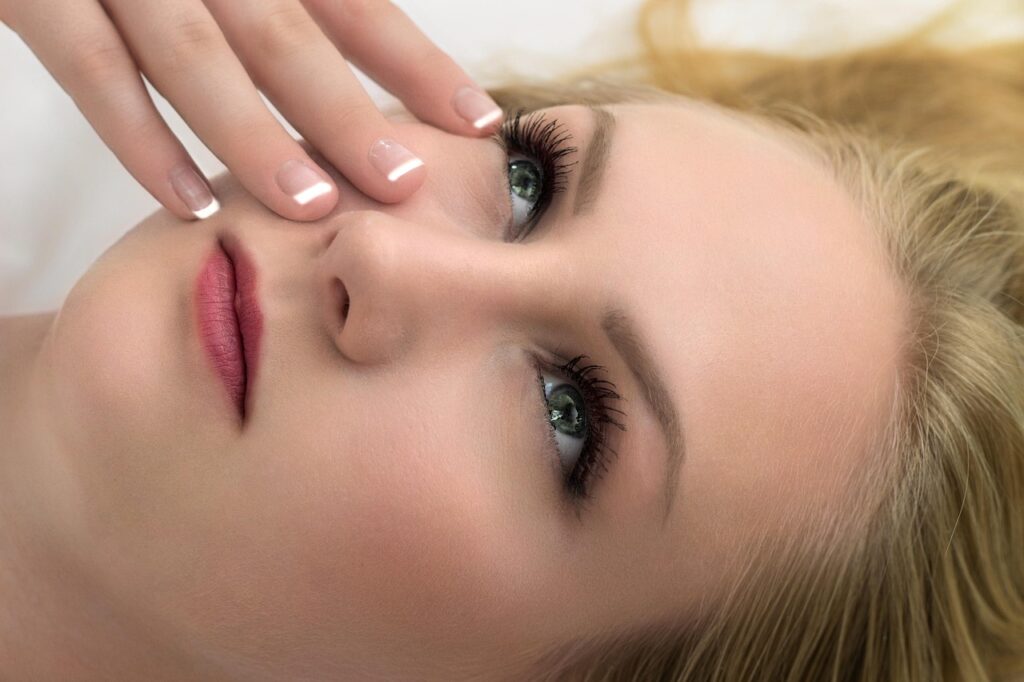
Your skin is more than just a protective barrier—it’s a dynamic organ that reflects the culmination of your daily lifestyle choices. The global burden of skin diseases affects over 3 billion individuals who don’t have access to proper dermatological care, posing important public health challenges worldwide, making it crucial to understand how our habits directly influence skin health and appearance.
The Foundation: How Lifestyle Choices Shape Skin Health
The connection between lifestyle and skin health operates on multiple levels, from cellular regeneration to visible aging. Dietary factors and nutritional supplements certainly influence skin aging. Nutritional deficiencies can cause cutaneous signs such as dermatitis, alopecia and depigmentation. Your skin constantly responds to environmental stressors, internal inflammation, hormonal fluctuations, and the quality of nutrients you provide through diet and supplementation.
Research consistently demonstrates that lifestyle factors contribute significantly to both intrinsic and extrinsic aging processes. Well known environmental factors leading to extrinsic skin aging are sun exposure and smoking. Recently, an epidemiological study could further discover an association between air pollution and skin aging. These external influences work in conjunction with your genetic predisposition to determine how your skin ages over time.
Dietary Impact on Skin Integrity
What you eat directly translates to how your skin looks and functions. A diet rich in antioxidants, essential fatty acids, and vitamins provides the building blocks necessary for collagen synthesis, cellular repair, and protection against oxidative stress. Conversely, diets high in processed foods, refined sugars, and inflammatory oils can accelerate aging processes and compromise skin barrier function.
Hydration plays an equally critical role. Adequate water intake supports the skin’s natural detoxification processes and maintains optimal moisture levels in skin cells. When combined with nutrient-dense foods, proper hydration creates an internal environment conducive to healthy skin regeneration and repair.
Exercise and Circulation: The Skin-Fitness Connection
Regular physical activity enhances skin health through improved circulation and lymphatic drainage. Exercise increases blood flow to skin cells, delivering oxygen and nutrients while removing metabolic waste products. This enhanced circulation promotes a healthy complexion and can help reduce inflammation throughout the body.
Additionally, exercise helps regulate hormonal balance, which directly affects skin conditions like acne and sebaceous gland function. The temporary increase in body temperature during exercise also opens pores and facilitates natural detoxification through perspiration.
Sleep Quality and Skin Regeneration
During sleep, your skin undergoes critical repair and regeneration processes. Growth hormone production peaks during deep sleep phases, stimulating collagen synthesis and cellular turnover. Insufficient sleep disrupts these processes, leading to accelerated aging, increased inflammation, and compromised skin barrier function.
Sleep quality also affects stress hormone levels, particularly cortisol, which can trigger inflammatory skin conditions and accelerate the breakdown of collagen and elastin when chronically elevated.
Stress Management and Skin Health
Chronic stress creates a cascade of hormonal and inflammatory responses that manifest visibly in the skin. Elevated cortisol levels can increase oil production, exacerbate inflammatory conditions like eczema and psoriasis, and slow wound healing processes. Healthy lifestyle choices that can help reduce psoriasis flares include eating a balanced diet, regular exercise, managing stress, getting an adequate amount of sleep, staying hydrated, moisturizing your skin, not smoking, and avoiding triggers.
Effective stress management techniques such as meditation, deep breathing exercises, and regular relaxation practices can significantly improve skin health by reducing inflammation and supporting the body’s natural healing processes.
Environmental Factors and Protection Strategies
Your daily environment constantly challenges your skin’s integrity. UV radiation remains the primary cause of premature skin aging, but air pollution, extreme temperatures, and indoor air quality also contribute to skin damage. Risk factors for all types of skin cancer include skin that burns easily; blonde or red hair; a history of excessive sun exposure, including sunburns; tanning bed use; a weakened immune system; and a history of skin cancer.
Implementing protective strategies such as consistent sunscreen use, antioxidant-rich skincare products, and air purification systems can mitigate environmental damage and preserve skin health over time.
Emerging Research: Spermidine for Anti-Aging
Recent scientific discoveries have highlighted promising compounds that may enhance the skin’s natural anti-aging processes. Streptococcus-secreted spermidine contributed to the recovery of skin structure and barrier function through the upregulation of collagen and lipid synthesis in aged cells. This naturally occurring compound has shown remarkable potential in supporting cellular renewal and skin rejuvenation, moving many to using spermidine for anti-aging.
Research published in Communications Biology in 2021 suggests that spermidine can enhance collagen production, thereby supporting skin’s structural integrity and elasticity. Spermidine works by stimulating autophagy, a cellular cleaning process that removes damaged components and promotes healthy cell function. This mechanism may help address multiple signs of aging simultaneously while supporting the skin’s natural regenerative capacity.
Creating Your Skin-Healthy Lifestyle
Transforming your skin health requires a holistic approach that addresses all lifestyle factors simultaneously. Start by establishing consistent sleep patterns, incorporating regular physical activity, and adopting a nutrient-dense diet rich in antioxidants and anti-inflammatory compounds.
Develop a comprehensive skincare routine that includes sun protection, gentle cleansing, and targeted treatments for your specific skin concerns. Consider incorporating stress-reduction practices into your daily routine and evaluate your environment for potential skin-damaging factors.
The relationship between lifestyle and skin health is both complex and deeply personal. By understanding these connections and making informed choices, you can significantly influence how your skin ages and functions throughout your life. Remember that consistency in healthy habits yields the most dramatic and lasting improvements in skin health and appearance.
