
Tips for Planning Your First Vacation to Cuba
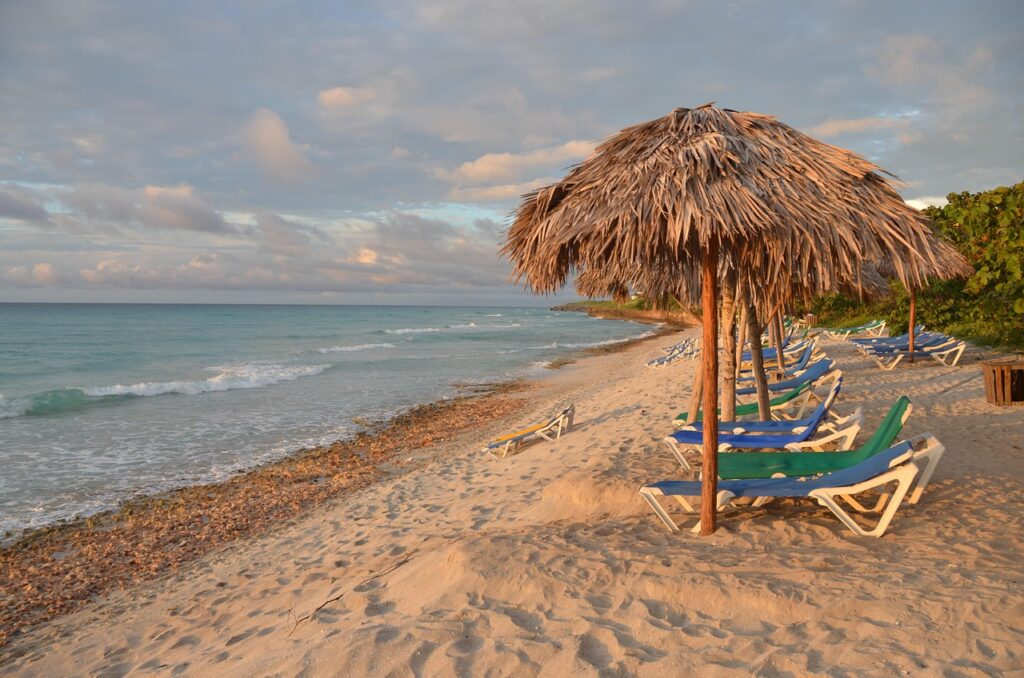
Cuba, the largest island in the Caribbean, beckons travelers with its vibrant culture, rich history, and stunning natural beauty. From the colonial architecture of Havana to the pristine beaches of Varadero, this enchanting destination offers a unique blend of old-world charm and tropical paradise. Planning your first vacation to Cuba can feel overwhelming, but with proper preparation and insider knowledge, you’ll be ready to immerse yourself in this captivating country that has preserved its authentic character despite decades of isolation.
The island nation presents a travel experience unlike any other, where classic 1950s American cars cruise alongside horse-drawn carriages, and salsa music drifts from every corner. Cuba’s complex history, revolutionary spirit, and warm hospitality create an atmosphere that’s both nostalgic and refreshingly genuine. Whether you’re drawn to the architectural wonders of UNESCO World Heritage sites, the rhythmic beats of Afro-Cuban music, or the pristine coral reefs perfect for diving, Cuba promises memories that will last a lifetime.
Essential Documentation and Entry Requirements
Before you can experience Cuba’s magic firsthand, securing the proper documentation is crucial for a smooth entry into the country. Most visitors will need a valid passport with at least six months of remaining validity and an electronic visa. Starting last month July 1, 2025, the Cuba evisa has become the new standard for entry into Cuba, replacing the traditional tourist card for new applications. This electronic visa is now required for all non-Cuban born travelers entering under one of the 12 permitted categories, streamlining the application process through authorized online platforms.
The electronic visa allows for stays of up to 30 days and can often be extended for an additional 30 days once you’re in Cuba. This digital transformation has made the visa application process more efficient and convenient, eliminating the need to obtain paper tourist cards through airlines or at airports. All travelers must now apply for their Cuba evisa in advance through official online channels, ensuring you have proper authorization before your departure date.
Choosing the Perfect Time to Visit
Cuba’s tropical climate makes it a year-round destination, but understanding the seasonal variations will help you plan the most enjoyable trip possible. The dry season, running from November to April, is generally considered the best time to visit, offering pleasant temperatures, lower humidity, and minimal rainfall. During these months, you’ll experience average temperatures ranging from 70 to 80 degrees Fahrenheit, perfect for exploring cities, lounging on beaches, and engaging in outdoor activities.
The wet season, from May to October, brings higher temperatures, increased humidity, and more frequent rainfall, but it also offers its own advantages. Hotel rates are typically lower during this period, and you’ll encounter fewer crowds at popular attractions. The rain usually comes in short, intense bursts during the afternoon, leaving plenty of time for sightseeing and activities. However, this season also coincides with hurricane season, so it’s essential to monitor weather conditions and consider travel insurance that covers weather-related disruptions.
Budgeting and Currency Considerations
Understanding Cuba’s unique economic situation and currency system is essential for effective budget planning. The Cuban peso (CUP) became the sole official currency in 2021, simplifying transactions for visitors. However, the country’s dual economy means that prices can vary significantly depending on whether you’re shopping at government-run establishments or private businesses.
Budget planning should account for the fact that Cuba operates largely as a cash-based society, with limited credit card acceptance, particularly for cards issued by US banks. Bring sufficient euros or Canadian dollars to exchange, as these currencies typically offer better exchange rates than US dollars, which incur an additional conversion fee. Plan to budget approximately 50 to 100 dollars per day for mid-range travel, including accommodation, meals, and activities, though costs can vary significantly based on your travel style and preferences.
Accommodation Options and Booking Strategies
Cuba offers diverse accommodation options to suit every traveler’s preferences and budget, from luxury beach resorts to intimate family-run guesthouses. Casa particulares, private homes that rent rooms to tourists, provide an authentic Cuban experience and the opportunity to interact directly with local families. These accommodations often include breakfast and offer insider tips about local attractions, restaurants, and cultural experiences that you won’t find in guidebooks.
Hotels range from restored colonial mansions in historic city centers to modern beach resorts along the coastline. Government-run hotels tend to be more affordable but may lack some amenities that international travelers expect. Private boutique hotels and restored heritage properties offer a middle ground, combining character with modern comforts. Research and book accommodations well in advance, especially during peak season, as the best options fill up quickly.
Transportation and Getting Around
Navigating Cuba’s transportation system requires flexibility and patience, but it’s part of the adventure that makes visiting this island nation so memorable. In major cities like Havana, you’ll find a mix of classic American cars from the 1950s operating as taxis, modern taxi services, and shared rides called “colectivos.” These vintage vehicles aren’t just transportation; they’re moving pieces of history that add character to your Cuban experience.
For longer distances between cities, Viazul buses provide reliable, air-conditioned service connecting major tourist destinations. These buses require advance reservations and can book up quickly during peak travel periods. Alternatively, domestic flights are available between major cities, though they’re more expensive and can be subject to delays or cancellations.
Cultural Preparation and Local Customs
Preparing for Cuba’s unique cultural landscape will enhance your travel experience and help you connect more meaningfully with local people. Cuban society values personal relationships, family connections, and community bonds, so taking time to engage in conversations and show genuine interest in people’s lives will open doors to authentic experiences that go beyond typical tourist activities.
Learn basic Spanish phrases before your trip, as English is not widely spoken outside of tourist areas. Even simple greetings and expressions of gratitude will be appreciated by locals and can lead to more enriching interactions. Understand that Cubans are proud of their culture, history, and achievements, so approach conversations about politics and economics with sensitivity and respect for different perspectives.
Conclusion
Your first vacation to Cuba will be an unforgettable journey through a country where time seems to have stood still in the most beautiful way possible. With proper planning, cultural sensitivity, and an open mind, you’ll discover why Cuba continues to captivate travelers from around the world, offering experiences that are both deeply moving and thoroughly enjoyable.
