
Table of Contents
- Crafting Compelling Headlines and Meta Descriptions
- Incorporating Relevant Keywords
- Optimizing Images and Multimedia
- Ensuring Mobile-Friendliness and Fast Loading Times
- Implementing a Strong Internal Linking Structure
- Optimizing Content for Featured Snippets
- Leveraging Social Media Platforms
Key Takeaways
- Crafting compelling, keyword-rich headlines and meta descriptions creates strong first impressions and can significantly boost search engine rankings and click-through rates.
- Strategic integration of relevant keywords across site content improves overall relevance, making it easier for the right audience to discover your offerings.
- Investing in multimedia optimization—encompassing images, videos, and other visual elements—enhances both user experience and site speed, two factors that search engines are increasingly prioritizing.
- Committing to mobile-friendly design and consistently fast page load times is critical for both retaining visitors and improving rankings on all devices.
- Implementing an effective internal linking structure elevates SEO by improving navigation, strengthening site architecture, and highlighting the most valuable pages.
- Optimizing content for featured snippets increases the likelihood of being prominently displayed at the top of search results, driving more organic exposure.
- Maximizing social media engagement amplifies the reach of your content, builds authority, and can lead to the generation of high-value backlinks.
In today’s highly competitive digital ecosystem, a robust SEO content strategy is crucial for websites aiming not only for greater online visibility but also for long-term, sustainable traffic. As search engines constantly refine and update their algorithms, staying ahead of the curve requires a proactive approach and the willingness to integrate both established best practices and innovative tactics into your content strategy. For companies and creators seeking to optimize the effectiveness and scalability of their SEO content, utilizing professional SEO content writing services can provide a game-changing advantage. These services provide expert insight, ensure alignment with current trends, and enable businesses to deliver value-driven content at scale, thereby freeing internal resources for other strategic initiatives.
SEO success is rooted in a comprehensive approach to content creation—one that encompasses far more than the initial drafting of articles. It involves everything from generating captivating headlines and meticulously optimizing each on-page element to perfecting internal website links and amplifying reach through strategic social media integration. Whether building a site from scratch or optimizing an established digital property, employing a cohesive and agile SEO content strategy is the foundation of sustained growth and impressive digital performance.
Crafting Compelling Headlines and Meta Descriptions
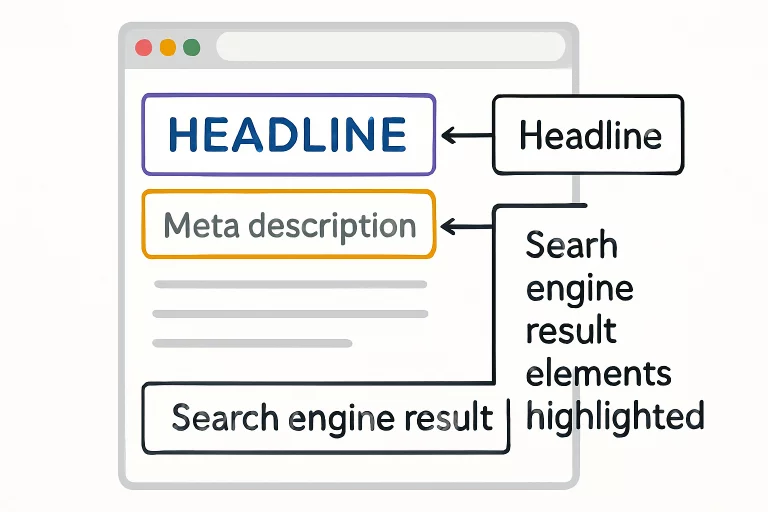
The journey to exceptional SEO starts with the art of crafting attention-grabbing headlines and concise, persuasive meta descriptions. Your headline acts as the gateway to your content, compelling users to click while also signaling relevance to search algorithms. Ideally, headlines should be clear, concise, and naturally integrate your primary keyword to boost both discoverability and engagement. For example, a headline like “Top 10 Tech Trends in 2024” not only identifies the topic and conveys authority but also piques the reader’s curiosity, inviting them to learn more.
Equally important is your meta description—a short textual summary that appears beneath your headline in search listings. While meta descriptions may not be a direct ranking factor, they play a vital role in influencing prospects to visit your site. A well-constructed meta description offers a tight summary of the page’s value, addresses the reader’s needs, and presents a compelling call-to-action that sets expectations and drives clicks. In a crowded digital marketplace, clear and engaging headlines and meta descriptions help your content stand out against thousands of competitors.
Best Practices for Effective Headlines and Meta Descriptions
- To avoid truncation, keep headlines under 60 characters, ensuring the most critical information appears within the visible snippet in search results.
- Incorporate action-oriented language and numbers, such as “top strategies” or “5 steps,” to captivate attention and encourage engagement.
- Write meta descriptions that stay within 155–160 characters, providing critical details and a call to action without overwhelming users with information.
- Ensure meta descriptions accurately summarize page content, building trust by setting the right expectations and minimizing bounce rates.
Incorporating Relevant Keywords
Keywords remain the backbone of any effective SEO content strategy. They serve as the bridge between what people are searching for and the content you deliver. Conduct in-depth keyword research using trusted tools to identify targeted keywords with significant search volume and the right user intent. According to Forbes, which shares helpful tips for choosing the right SEO keywords, selecting keywords should involve understanding your audience, evaluating keyword difficulty, and aligning your content with clear business goals. Integrating these keywords naturally into your headlines, subheadings, introductory paragraphs, and throughout your copy will maximize your site’s visibility and ensure your audience finds the value they’re seeking.
It’s crucial, however, to avoid the pitfall of keyword stuffing, a practice that may harm your site’s search rankings and alienate readers. Instead, concentrate on weaving keywords seamlessly and strategically, always prioritizing readability and user experience. Combining short-tail, highly competitive keywords with niche-specific long-tail keywords (multiword phrases) allows you to reach broader audiences while capturing high-converting, intent-driven searchers.
Tips for Effective Keyword Integration
- Prioritize both primary and related secondary keywords to create a comprehensive content experience that thoroughly answers the reader’s questions.
- Strategically embed keywords in site headings, early paragraph sentences, and in image alt attributes to reinforce topical relevance across the page.
- Pursue long-tail keywords, as they can attract targeted traffic and offer higher conversion rates thanks to the more specific intent behind such searches.
Optimizing Images and Multimedia
Rich visual content not only captures audience attention but can also play a decisive role in conveying your message quickly and memorably. Proper multimedia optimization is indispensable for search success. Begin by assigning keyword-rich, descriptive file names to images and providing succinct, relevant alt text so that both users and search engines can understand their content. This accessibility step is crucial for users relying on screen readers and also increases your chances of ranking in image search results.
Site speed, one of Google’s top ranking signals, is heavily impacted by multimedia assets. Compress images to minimize file size, utilizing formats such as WebP to strike the perfect balance between quality and performance. For even greater reach and reliability, host your multimedia through a robust Content Delivery Network (CDN) to serve content quickly to global visitors. Videos should be supplemented with keyword-focused descriptions and accessible transcripts. Transforming your site into a multimedia-rich environment, while ensuring every element is meticulously optimized, boosts both user satisfaction and search visibility.
Key Elements for Multimedia SEO
- Embed descriptive captions with context for every image further to increase relevance to your content’s main topic.
- Optimize video content with transcriptions, rich descriptions, and keyword tagging to enhance searchability and user experience.
- Incorporate modern loading techniques such as lazy loading to ensure that images do not slow down page rendering, especially on mobile devices.
Ensuring Mobile-Friendliness and Fast Loading Times
Mobile devices generate more than half of all web traffic worldwide, making responsive and rapid user experiences on all screens a non-negotiable requirement for any high-performing website. Responsive design is crucial for ensuring that your content is legible, visually appealing, and fully functional on both large screens and smartphones. Equally, website speed cannot be overlooked; sites that load slowly often suffer from higher bounce rates and lower search engine rankings.
Utilize diagnostic tools to identify unnecessary bottlenecks and correct issues that slow your site’s performance. Advanced techniques such as Accelerated Mobile Pages (AMP) can provide an even faster, stripped-down experience for mobile users, often leading to higher engagement and better conversion rates. Consistently monitoring and refining your mobile performance will help retain visitors and satisfy both users and algorithms in an increasingly mobile-centric web environment.
Checklist for Mobile Optimization
- Select clear, readable fonts and maintain ample spacing so content remains user-friendly on small screens.
- Compress all files, including images, CSS, and JavaScript, to minimize delays in loading and rendering.
- Regularly test your website across multiple mobile devices and browsers to guarantee a flawless experience for all users.
Implementing a Strong Internal Linking Structure
Your website’s internal linking structure has a significant impact on both navigation and SEO performance. An organized approach ensures that users can easily discover related content, which in turn increases engagement, page views, and average session duration. Additionally, search engines rely on your internal links to understand the hierarchy and authority of your pages; by connecting key articles across the site, you highlight your most valuable content and pass on link equity where it matters most.
Be intentional with your anchor text—each link should clearly describe the destination page, which not only improves usability for your readers but also strengthens topical relevance signals for search engines. Regularly audit your internal link structure, updating old links and integrating new connections to both fresh and cornerstone content. Over time, a well-optimized network of internal links makes your website more resilient to algorithm shifts and better primed for organic growth.
Internal Linking Strategy Tips
- Consistently link to high-value, relevant pages from within every article to create a network of interconnected resources for your readers.
- Establish and maintain a logical hierarchical structure that helps search engines map out your most important content and navigate your site efficiently.
- Update and repair broken or outdated links frequently, ensuring that your internal linking remains both functional and SEO-friendly as your site evolves.
Optimizing Content for Featured Snippets
Featured snippets present a tremendous opportunity to vault your content above even the #1 organic listing in Google search results. These concise, information-rich boxes answer user queries directly and lend undeniable authority to pages that earn them. To capture snippet spots, format your content for rapid comprehension—answer common questions with succinct paragraphs, bulleted or numbered lists, and clear explanations near the top of the page. These techniques cater to both users seeking instant answers and to search engines looking for ready-made snippet content.
Take it a step further by utilizing advanced on-page technical strategies, such as schema markup and structured data, to enhance your website’s performance. These additions help search engines interpret your content’s structure, context, and relevance more effectively, making it easier for them to select your page for snippet placement. Continuously reviewing and refining your answers to high-intent questions can significantly enhance your site’s discoverability and trustworthiness in the eyes of both users and search engines.
Strategies for Snippet Success
- Address critical queries in the first paragraph or dedicate a focused FAQ section to common user questions for maximum snippet potential.
- Leverage numbered steps or bulleted lists when presenting guides, how-tos, or process walkthroughs for straightforward parsing.
- Implement schema markup throughout your content to provide contextual clues to search engines, increasing the likelihood of being featured.
Leveraging Social Media Platforms
Maximizing the reach and longevity of your SEO content necessitates a cohesive, thoughtfully executed social media strategy. Each new article, blog post, or resource you publish should be actively promoted across platforms. Regularly engaging with your audience through comments, shares, and discussions not only boosts authority but also helps you foster a dedicated, interactive community that amplifies your message across digital channels.
Encourage your followers to share or engage with your content to amplify its impact, and closely monitor your social analytics to identify the most effective platforms and optimal content formats. Over time, continuously refining your approach based on performance data can lead to greater referral traffic, stronger brand awareness, and a growing portfolio of high-quality backlinks from influencers and other publishers. For additional social media tips and resources, consider exploring publications with detailed guides and in-depth examples.
Maximizing Social Engagement
- Customize content formats, posting times, and messaging for the unique culture of each social media platform.
- Utilize visually compelling graphics, infographics, and relevant hashtags to boost your content’s discoverability and appeal significantly.
- Respond promptly and thoughtfully to all comments, questions, and shares, cultivating ongoing two-way conversations with your followers.
By diligently applying these proven SEO content strategies and supplementing your efforts with expert advice from trusted providers such as SEO content writing services, you can achieve increased visibility, greater authority, and stronger audience engagement. Consistency is key—continue refining your process and leveraging supportive resources, and your website will remain positioned for sustainable digital success.
