
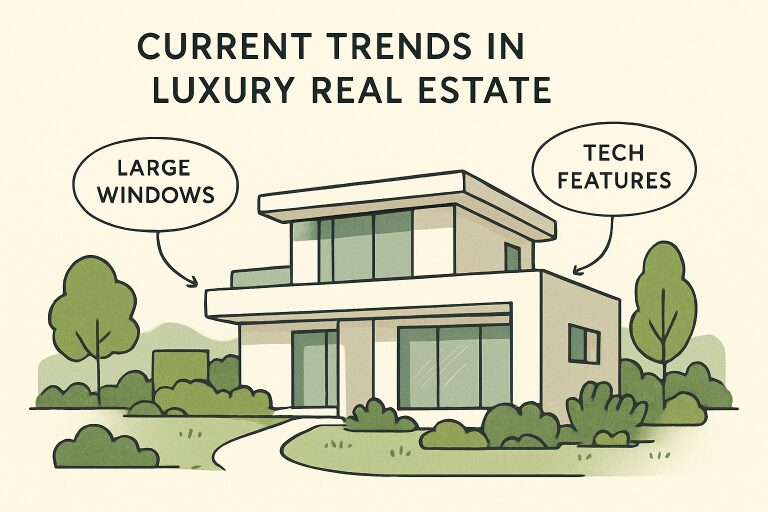
Luxury real estate is undergoing dynamic shifts, transforming how buyers, investors, and professionals approach the market. As emerging generations seek properties that blend technology, sustainability, and unique design aesthetics, the definition of luxury continually evolves. Staying ahead requires insight into key trends and guidance from seasoned professionals. For those exploring opportunities in one of the world’s most coveted markets, working with Beverly Hills, CA, real estate experts Coldwell Banker Beverly Hills ensures access to local expertise and global perspectives critical to making informed decisions.
Today’s buyers are discerning, well-researched, and desire homes that reflect both personal values and aspirational lifestyles. Whether prioritizing green features, seeking international properties, or leveraging the latest technology to streamline transactions, the luxury real estate sector is poised for a bold future. Understanding these trends allows buyers, sellers, and investors to recognize opportunities and adapt strategies for lasting success and satisfaction.
Changing Demographics of Luxury Buyers
The profile of luxury real estate buyers is more diverse and youthful than ever. While established business professionals remain a strong presence, millennials and Gen Z are now making significant inroads, thanks to entrepreneurial successes and the proliferation of wealth in technology sectors. Many young luxury buyers display a preference for flexible, personalized homes with open concepts and work-from-home flexibility rather than the ostentatious opulence favored in previous generations. They seek out city penthouses as well as eco-conscious retreats, showing a broad interest in both urban and suburban spaces.
The Influence of Technology in High-End Real Estate
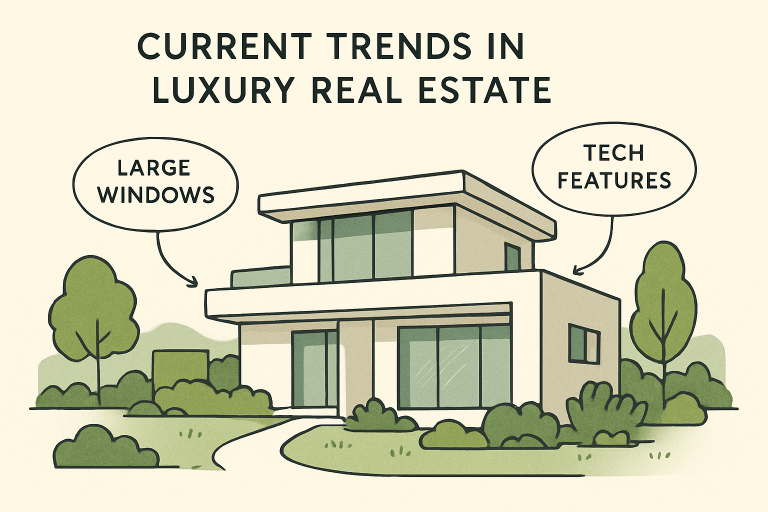
Technology is now inseparable from the luxury property experience. Cutting-edge tools such as virtual reality tours, 3D modeling, and AI-driven property searches are not only streamlining the search process but also expanding access for international and remote buyers. Innovative technologies, such as smart home automation for climate control, security, and entertainment, are now a baseline expectation for discerning clients. These digital tools support a faster, more transparent, and more personalized transaction process, fundamentally changing how buyers interact with high-end real estate.
Sustainable Features in Luxury Homes
Environmental responsibility has become a standard in luxury development and purchasing. Today’s buyers value properties with energy-efficient appliances, LEED certifications, and advanced sustainability features such as geothermal heating or rainwater collection. Homes with these characteristics have a competitive edge, often selling quickly and at a premium. Smart irrigation, solar panels, and green roofs are no longer exceptions—they’re rapidly becoming core requirements for new luxury builds.
Global Demand and Its Impact
The luxury property market has always attracted international attention, but cross-border transactions are reaching new heights. Locations that offer political stability, excellent amenities, and a high quality of life—like Beverly Hills—become magnets for this investment. The influx of international capital not only increases competition but also helps sustain market resilience during times of uncertainty.
Investment Value of Luxury Real Estate
Beyond offering an exceptional lifestyle, luxury properties are increasingly being sought after for their robust investment potential. Historically, high-end real estate in renowned markets has withstood economic volatility and, in many cases, delivered healthy long-term returns. Industry analysts emphasize that thoughtful investments in luxury homes can safeguard wealth over generations and protect against inflation.
What’s Next for Luxury Real Estate?
Looking forward, luxury real estate is expected to continue innovating in areas such as convenience, sustainability, and advanced personalization. Emerging trends indicate an increasing demand for multifunctional spaces, holistic wellness amenities, and the adoption of high-performance materials. Artificial intelligence is poised to deepen its influence, reshaping property discovery, transaction management, and ongoing home maintenance. With a focus on lifestyle alignment and environmental stewardship, the luxury sector will continue to appeal to a broadening demographic seeking meaningful investments and unique living experiences.
Conclusion
The luxury real estate market is evolving rapidly, driven by shifting buyer demographics, technological innovation, and a growing emphasis on sustainability. Modern buyers prioritize personalized experiences, environmentally responsible features, and smart home integration, while international interest and investment potential continue to strengthen the sector. Staying informed about these trends and partnering with knowledgeable local experts, such as Coldwell Banker Beverly Hills, enables buyers, sellers, and investors to navigate this dynamic market successfully. As the industry advances, luxury real estate will increasingly merge lifestyle, technology, and long-term value, ensuring it remains both aspirational and strategically rewarding.
