
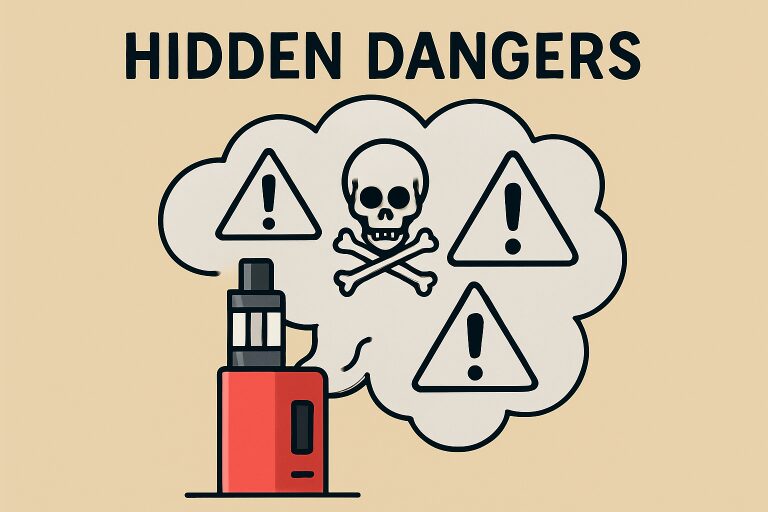
Over the last decade, vaping has exploded into mainstream popularity, driven by bold marketing and the allure of a cleaner, “modern” alternative to cigarettes. Vape devices are sold everywhere from gas stations to high-end vape shops, and the conversation is often dominated by proclamations that they are at least less harmful, if not outright healthy, when compared to smoking tobacco. Despite this sanitized image, a growing body of scientific research is uncovering a much broader spectrum of health hazards that remain largely unspoken or deliberately obscured in advertising. If you’re considering reaching for a vape, it’s crucial to learn why vapes aren’t a safe smoking alternative. By digging into what’s really inside those clouds of vapor, you can empower yourself to make more informed choices and protect your long-term well-being.
Behind the glossy appeal of vape pens, the high-tech gadgetry, and a dazzling array of flavors lies a harsher reality that challenges common assumptions. The promise of convenience and the perception of vaping as a way to quit smoking—fueled by celebrities and social media—often mask the fact that the risks go far beyond what most users expect. This article takes a closer look at the genuine dangers associated with vaping, especially the ones manufacturers and advertisers often leave out. Whether you are a current user, a parent, or simply curious, it’s essential to arm yourself with the facts and know what you might be genuinely inhaling.
The Misconception of Safety
One of the main reasons people reach for e-cigarettes is the widespread belief that they offer a harmless escape from the well-documented dangers of smoking traditional tobacco. This notion is built on shaky, often misleading, marketing claims. E-cigarettes commonly contain chemicals such as formaldehyde—well-known for its role in causing cancer—and acrolein, which can cause lasting, sometimes irreversible, lung damage. These substances are created or released when the e-liquid is heated, meaning users inhale them directly into the delicate tissue of their lungs, often completely unaware of the actual contents of every puff.
Many assume the vapor in e-cigarettes is simply water mixed with flavor. In reality, it can contain tiny particles of heavy metals, such as nickel, tin, or lead—originating from the heating coil—along with volatile organic compounds. The long-term effects of inhaling these compounds are still being studied, but what’s clear is that the health profile of vaping looks far less benign than industry narratives suggest.
Respiratory Complications
The marketing promise of “smoke-free” satisfaction often omits mention of the respiratory symptoms many vapers begin experiencing within their first weeks or months. Users often report increased coughing, chest pain, wheezing, and shortness of breath soon after taking up vaping. It’s not merely discomfort—numerous medical cases have illustrated that serious outcomes, including acute lung injuries and inflammatory conditions like “popcorn lung” (bronchiolitis obliterans), are increasingly reported, especially among adolescents and young adults. Some of those affected have required intensive care and long-term medical intervention.
In several high-profile outbreaks, clusters of young people have been hospitalized with sudden, severe lung damage linked to specific vaping products or added substances, such as vitamin E acetate. Doctors often struggle to reverse the full extent of damage triggered by these compounds, leading to lifelong breathing problems or scarred lung tissue after just a short period of regular vaping.
Cardiovascular Concerns
Nicotine remains a staple ingredient in the vast majority of vaping products, and its role is far from benign. Even for those who assume vaping delivers less nicotine than cigarettes, studies show concentrations can be similar or sometimes even higher. Beyond fueling a powerful addiction that’s difficult to break, nicotine places immense stress on the heart by raising blood pressure and triggering spikes in heart rate. This increased cardiovascular strain is risky for anyone, and especially for people with underlying health conditions or those unaware they’re consuming large nicotine doses.
Research now shows an association between e-cigarette use and an elevated risk of heart disease, stroke, and poor circulation. Many new vapers believe they are protecting their cardiovascular health by avoiding tobacco, only to find themselves at risk for similar or even new cardiovascular problems. As highlighted by Johns Hopkins, the reality is that vaping’s chemical cocktail, including high-dose nicotine and volatile additives, introduces significant and sometimes unpredictable risks. What’s more, the combination of nicotine with other chemicals in extracted e-liquids can make the effects less predictable and potentially more toxic than once thought.
Unregulated Ingredients
A darker side of vaping’s rapid growth is the wild-west condition of e-cigarette manufacturing and sales. Minimal regulation means that manufacturers often have little incentive to thoroughly test or disclose the ingredients in their products. The result is that even if a vape cartridge or bottle boasts “natural” or “safe” claims, users often have no guarantee of what’s being aerosolized and delivered straight to the lungs. This risk is heightened with black-market or counterfeit products, where the use of undisclosed additives can dramatically increase the danger of toxic exposure.
As vaping devices become more complex and customizable, the range of ingredients used also increases. Some contain synthetic cannabinoids or other drugs, while many popular flavorings are safe for eating but can cause significant harm when inhaled. Every puff you take may subject your body to a chemical cocktail with unpredictable short- and long-term effects.
Impact on Youth
Perhaps the most alarming trend is the dramatic and continuous rise of vaping among teenagers and young adults. In response, the vaping industry has flooded the market with sweet, dessert-inspired, and fruity flavors—products clearly designed to appeal to younger demographics. Restrictive age-verification laws are often weak or poorly enforced. The direct result is skyrocketing rates of nicotine addiction in high school and even middle school students, who may assume vaping is harmless or “just for fun.” Many of these teens may never have considered smoking traditional cigarettes but are now hooked on nicotine thanks to e-cigarettes.
Early exposure to nicotine can cause significant changes in the developing brain, interfering with critical areas responsible for attention, learning, mood, and impulse control. There’s also evidence that youth who start with vaping are more likely to transition to smoking traditional cigarettes in the future. This cycle can set the stage for a lifetime of addiction and health complications, making vaping far more than a “harmless” teen fad.
Explosions and Injuries
In addition to serious chemical health risks, vaping has introduced new categories of physical danger unique to battery-powered devices. E-cigarette devices occasionally malfunction, especially when users modify them, use aftermarket parts, or pair with substandard or incompatible batteries. These device failures can result in explosions, fires, and catastrophic injuries, sometimes while the device is in the user’s mouth or pocket. The physical toll can include severe burns, fractured jaws, lost teeth, and even permanent disfigurement.
Though battery explosions and fires are less common compared to other health effects, their consequences are usually devastating. According to the CDC, beyond physical injuries, e-cigarettes can expose users to harmful substances like nicotine, heavy metals, volatile organic compounds, and cancer-causing agents, making them a significant public health concern. Incidents have prompted lawsuits and urgent calls for increased product safety standards and more precise regulation, but the rapid innovation in device design continues to outpace regulatory responses. This all underscores the importance of consumer caution and awareness before choosing to vape.
Conclusion
The perception of vaping as a harmless alternative to smoking is being steadily dismantled by mounting evidence from across the medical and scientific community. From hidden toxins and adverse effects on the lungs and heart to the dangers faced by young people and real threats of device malfunction, vaping’s risks are both complex and wide-ranging, far beyond what’s widely advertised. As the body of independent research grows, it’s clear that making informed decisions—and critically questioning industry claims—is more critical now than ever before. Being aware is not just empowering, but may be the first step in actively protecting your health and the health of those around you in a landscape increasingly flooded with misleading reassurances.
