
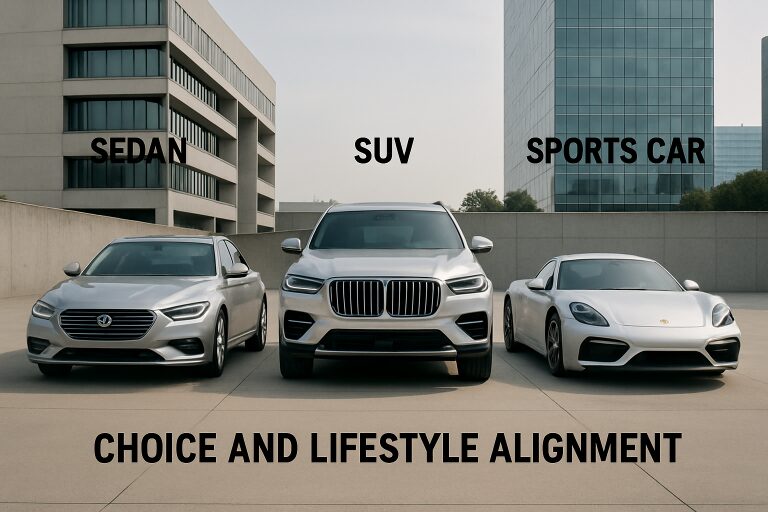
Buying a luxury car is more than a transaction—it’s an extension of your personality and standards. The right model speaks to your successes, daily routines, and ambitions. For discerning buyers seeking to make the best choice, it’s crucial to align the elegance and performance of your vehicle with your lifestyle needs, whether you’re drawn to sophisticated sedans, commanding SUVs, or supremely engineered sports cars. For those aspiring to genuine automotive excellence, you may wish to consider purchasing a Bentley and experiencing the pinnacle of comfort and prestige.
Before beginning the selection process, consider what it means to drive a luxury automobile. Is it about prestige and comfort for business engagements or a matter of top-tier engineering and dynamic performance? Understanding the statement you want to make ensures your next vehicle integrates seamlessly with your everyday activities and long-term aspirations.
Define Your Lifestyle Needs
The first step in buying the perfect luxury car is honest self-assessment. Do you need an executive ride for client meetings, or a plush SUV that accommodates growing family adventures? People who commute in heavy city traffic may prefer compact, agile vehicles, while those with frequent road trips may value cargo space, seating comfort, and advanced infotainment. Make a checklist of must-haves, such as all-wheel drive, panoramic sunroof, adaptive cruise control, or advanced connectivity systems, and use them to guide your research.
Larger vehicles like luxury SUVs or sedans are wise for families or individuals who value versatility. Those craving the exhilaration of the drive itself might lean toward high-performance coupes or convertibles. Preferences around technology, safety, and luxury finishes should all affect your final decision. For a deeper dive into how luxury vehicle ownership can complement your lifestyle, McKinsey offers an in-depth look at evolving preferences in the luxury car market.
Research Market Trends and Values
The luxury vehicle market fluctuates with global trends and consumer preferences. Some models, especially limited-edition or bespoke vehicles, may even appreciate. Keep a pulse on which brands and configurations achieve significant loyalty and resale prices. According to insights from Forbes, buyers should consider models with a record of strong value retention and consumer satisfaction.
Reviewing automotive publications, luxury car forums, and reputable annual rankings can reveal meaningful patterns in depreciation rates. Features like bespoke interiors, custom paint colors, and performance upgrades can impact future market desirability. Don’t overlook the importance of historic reliability—premium engineering often means fewer common repairs, but parts and labor will demand top dollar.
New vs. Pre-Owned Luxury Vehicles
Luxury buyers must decide: splurge on a brand-new vehicle or opt for a certified pre-owned (CPO) gem? New cars possess the latest technologies, pristine condition, and the allure of customization. However, they often lose value rapidly within the first few years. In contrast, CPO vehicles offer a smart path to exclusivity without the sharp depreciation curve and come with thorough inspections and manufacturer warranties.
First-time buyers and savvy enthusiasts frequently discover that pre-owned options can provide remarkable value—especially for high-end models where depreciation is the steepest. Review sources like Investopedia for advice on navigating the luxury used car market and choosing a reputable pre-owned model.
Understand Ownership Costs
Owning a luxury vehicle involves more than monthly payments. Insurance premiums, scheduled maintenance, premium fuel, and possible extended warranties can represent significant ongoing commitments. Repairs for advanced technology, custom features, or rare parts are frequently higher than those for standard vehicles. Some brands offer maintenance packages or complimentary service, which can help manage annual upkeep costs.
Choose the Right Dealership
The dealership experience should echo the exclusivity of the car itself. Prestige dealerships typically offer higher customer service, transparent history reports, and valuable extras like white-glove delivery. Look for dealers that invest in long-term client relationships rather than quick sales—they should welcome questions, encourage thorough inspections, and ensure you feel valued at every step.
Test Drive with Purpose
A test drive is far more than a formality. Evaluate the car’s comfort, handling dynamics, visibility, and onboard technology in various conditions. Check how intuitive the infotainment and driver-assistance features are to use. Pay special attention to everything from lumbar support and ambient lighting to the responsiveness of the engine and transmission. The goal is to ensure the vehicle suits your real-world driving scenarios and your expectations for luxury.
Consider Resale and Depreciation
Depreciation remains a significant factor when purchasing a luxury vehicle. Some brands—known for reliability, heritage, or limited production—hold their value exceptionally well. Before committing, research which models have strong secondary market demand and use this data to predict the long-term financial implications of your investment. Auto Express frequently publishes lists and analyses of the luxury vehicles with the slowest depreciation rates.
Negotiate the Best Deal
Armed with research, approach price negotiations confidently—even when shopping for prestigious brands. Target shopping times when sales teams are motivated, such as the end of the month or the model year. Seek extras like upgraded warranties, maintenance credits, or exclusive accessories. Establish your maximum price beforehand, be honest about your expectations, and don’t hesitate to walk away if the offer doesn’t meet your standards or research.
By taking this decision seriously and methodically, you will find a luxury car that turns heads and aligns with your lifestyle, ensuring your investment pays personal and practical dividends for years.
