
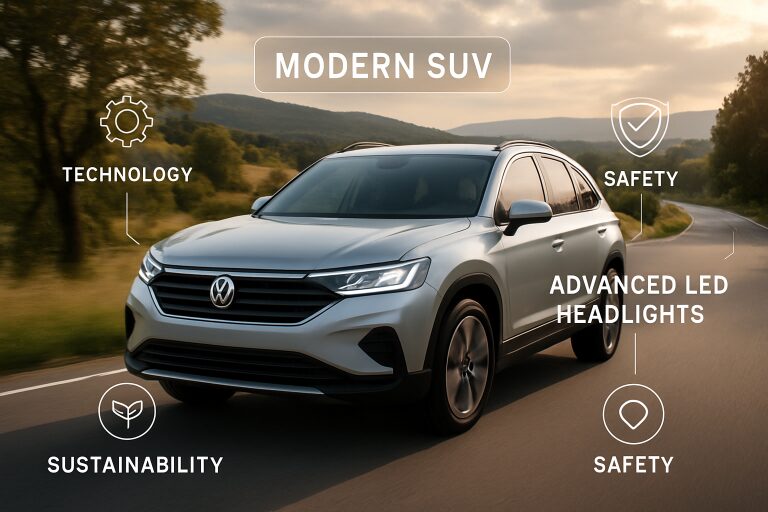
Modern SUVs have ushered in a new era of innovation, redefining expectations for performance, comfort, sustainability, and technology. As the automotive industry evolves, SUVs have become a reflection of the latest advancements that cater to the needs of families, adventure seekers, and eco-conscious drivers alike. Whether you’re seeking cutting-edge infotainment or a more sustainable ride, the contemporary SUV offers a driving experience unlike any other. Learn more about the advancements that are defining the next generation of SUVs and why they continue to thrive as the preferred vehicle choice for many worldwide.
This article explores the modern SUV’s innovations, trends, and features, focusing on their design for drivers and passengers. It explores how these vehicles are shaping the future of mobility, offering a holistic, connected, and responsible mobility experience beyond just transportation.
Technological Advancements in SUVs
The SUV market is being significantly transformed by advanced technology, with features like adaptive cruise control, automatic emergency braking, and lane-keeping assistance becoming standard or optional. These systems, combining radar, cameras, and sensors, anticipate hazards and automate decision-making. Drivers now expect these features for daily commutes and long journeys. SUV cabins also benefit from noise-reduction technology, customizable ambient lighting, and advanced HVAC systems for superior comfort.
The Rise of Electric and Hybrid SUVs
The global auto sector is embracing sustainability with the rise of electric and hybrid SUVs. These vehicles offer lower emissions and better fuel efficiency, making up nearly 30% of new SUV sales in 2023. In North America and Europe, these vehicles offer instant torque and quieter operation, while hybrid drivetrains provide flexibility between urban and highway driving. Manufacturers are investing in fast-charging networks and driving ranges to cater to eco-conscious consumers.
Connectivity and Infotainment Systems
SUVs are being transformed into command centers with infotainment systems featuring touchscreens and intuitive interfaces. These systems, coupled with Apple CarPlay and Android Auto, allow drivers to access navigation, stream music, use voice commands, and receive software updates. Connectivity features like wireless charging, cloud-based navigation, and real-time traffic updates are essential for convenience and safety, particularly for families, adventure enthusiasts, and tech-savvy drivers.
Design Innovations Enhancing Performance
Today’s SUVs have evolved with aerodynamic contours, bold grille designs, and advanced lightweight materials like aluminum, high-strength steel, and composite panels. They offer enhanced structural rigidity and performance without compromising fuel economy. Inside, modular seating layouts provide flexibility for cargo space or carpooling. Luxury finishes, panoramic sunroofs, and ambient lighting set a new standard for sophistication, making SUVs both stylish and practical.
Safety Features in Modern SUVs
Modern SUVs prioritize safety as a primary selling point, featuring sensor-driven features like blind-spot detection, rear cross-traffic alert, driver attention monitoring, and collision mitigation braking. AI-powered safety technologies provide proactive warnings and can automatically intervene to prevent accidents. These advancements increase peace of mind for families and solo drivers, reducing minor and major incidents, making modern SUVs leaders in automotive safety innovation, according to Consumer Reports.
Sustainability Trends in SUV Design
Manufacturers are adopting sustainable design practices to reduce the carbon footprint of their vehicles. Leading SUV brands are using eco-friendly materials like recycled plastics, responsibly sourced wood trim, natural fibers, and vegan leather alternatives. These efforts resonate with environmentally conscious consumers and minimize the environmental impact of production methods, including reduced water consumption and energy-efficient manufacturing.
Consumer Preferences and Market Trends
In conclusion, the versatility of the modern SUV is its key selling point. Consumers increasingly value vehicles that are adaptable for both urban and off-road adventures, coupled with the expectation of a premium driving experience. Enhanced comfort, expansive cargo capacity, cutting-edge tech, and sustainable options are driving purchase decisions across all age groups and demographics. As environmental consciousness continues to shape buying habits, the rise of electric and hybrid SUVs is expected to accelerate in the coming years. For automakers, continually evolving their offerings to reflect these trends is imperative for long-term success in a highly competitive market.
