
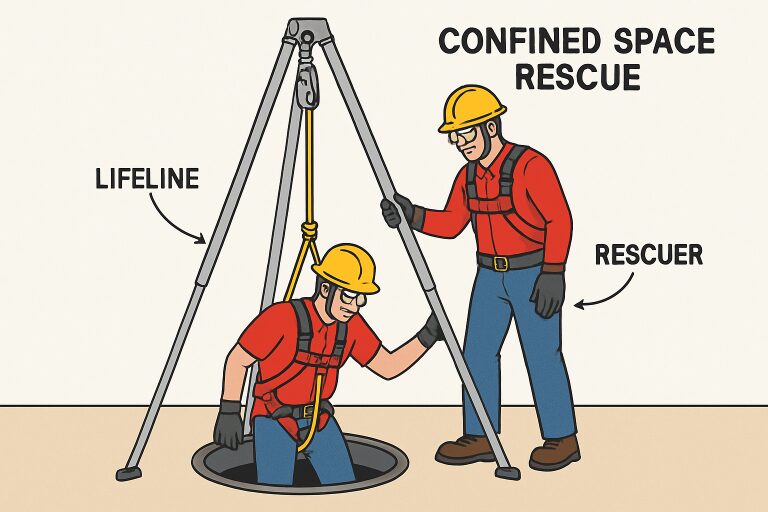
What Is Confined Space Rescue?
Confined space rescue is a unique and highly specialized field focused on saving individuals who are trapped or endangered in areas not intended for continuous human occupancy. These spaces, such as tanks, silos, sewers, and manholes, present physical and atmospheric hazards that make conventional rescue attempts inadequate or even dangerous. Specialized training and equipment are required, making confined space rescue a discipline best left to certified professionals.
Unlike standard rescue scenarios, emergencies within confined spaces demand precise, methodical actions to prevent further risk to both the victim and the rescue team. Rapid response is critical, yet so is detailed planning and hazard evaluation. Teams that provide confined space rescue Detroit services combine local expertise, advanced equipment, and rigorous safety practices to maximize survival outcomes.
The environments encountered can change rapidly, with atmospheric and structural hazards escalating without warning. Traditional emergency responders are not typically equipped with the needed gear or training, underscoring why dedicated rescue teams are essential to confined space incident response.
Each team member undergoes continuous education, participates in real-world rescue drills, and is familiar with the latest best practices to ensure they remain effective on every call. This commitment to excellence supports the broader workplace safety culture and can mean the difference between life and death.
Typical Dangers of Confined Spaces
Confined spaces pose an array of deadly risks. Oxygen-deficient atmospheres, toxic gases, risk of engulfment by liquids or granular materials, and dangerous mechanical components are among the leading hazards. According to OSHA’s guidelines, confined space incidents are a recurring problem across many industries, with a significant number resulting in fatalities or severe injuries.
The lethality of these environments is compounded by the fact that untrained rescuers often become secondary victims. Statistics show that over 60% of confined space deaths occur to those attempting a rescue without proper training or equipment. The ripple effect of a poorly executed rescue underscores the importance of thorough preparation, heightened risk awareness, and consistently updated safety protocols.
Core Skills and Tools of Rescue Teams
Rescue professionals must master a wide variety of essential skills, including advanced first aid, technical rope and rigging work, air quality monitoring, and fast, precise decision-making under pressure. The right equipment makes all the difference: harnesses, self-contained breathing apparatus, atmospheric monitors, and mechanical retrieval systems are standard.
Scenario-based training and frequent drills are non-negotiable for every rescue team. These preparations help ensure seamless coordination, fast adaptation to the unique features of every emergency, and the potential to save lives with minimal risk to team members.
Industries Relying on Rescue Services
Many sectors depend heavily on confined space rescue teams. In wastewater treatment, rescue teams may be called to assist workers in underground vaults or tanks. Utilities, oil and gas, shipping, and manufacturing commonly involve maintenance or inspection tasks inside hazardous spaces. Even construction projects involve permit-required confined spaces that necessitate vigilant standby teams.
Compliance with OSHA and other industry standards is mandatory to protect workers and ensure businesses remain operational. Strict regulations require employers to provide trained emergency response or rescue services whenever confined space work is performed, with severe fines and legal consequences for failing to do so.
Step-by-Step Confined Space Rescue
1. Initial Assessment and Hazard Evaluation
Every rescue begins with a rapid yet thorough assessment of the situation. Hazards are identified using gas detectors and visual inspection. The safety of the team, the trapped individual, and bystanders is prioritized above all else.
2. Developing and Executing an Entry Plan
Rescue teams design a step-by-step entry and extraction plan, assign roles, establish communication lines, and prepare equipment. This phase is where training and experience shine, reducing the likelihood of oversight.
3. Monitoring, Patient Care, and Safe Extraction
As the rescue is underway, continuous air monitoring and patient assessments guide every move. First aid may be administered well before extraction, and retrieval systems are used to bring the victim to safety with minimal delay.
4. Debrief and Lessons Learned
After the incident, a detailed debrief helps teams record lessons, refine procedures, and update protocols. This continual improvement process is vital for maintaining high readiness and effectiveness.
Advances in Rescue Technology
In recent years, technological innovation has significantly bolstered rescue efforts. Wireless gas detectors, real-time atmospheric monitoring, rugged communication equipment, and AI-driven safety systems enable rescuers to assess environments remotely and respond even faster. Trends such as digital entry permits and advanced data analysis are transforming how confined space rescue is performed, as highlighted in this roundup of emerging trends in confined space safety.
These advances not only keep responders safer but also allow teams to adapt to changing risks and industry demands, delivering better outcomes for workers in critical situations.
Real-World Rescue Scenarios
Case studies underscore the value of specialized response teams. In one instance, a utility worker trapped in a wastewater tank was safely extracted after continuous atmospheric monitoring and strict adherence to safety protocols. By contrast, analyzing incidents where things have gone wrong often highlights breaches in training, communication breakdowns, or inadequate hazard analysis—lessons that are invaluable for preventing future tragedies.
Industry publications, such as those from the National Safety Council (NSC), provide an in-depth look at best practices and cautionary tales, reinforcing the message that training and readiness can never be compromised.
Making Safety a Priority
Organizations can make a profound difference by embedding confined space safety into their culture. Strategies include conducting regular scenario-based drills, investing in advanced equipment, and empowering employees to report hazards. Continuous education and staying current with safety standards are crucial for long-term success.
Learning from real-life rescues and near-misses sharpens team preparedness for the next emergency, ensuring everyone goes home safely at the end of the day.
