
Achieving sustainable weight loss is a goal shared by many but reached by relatively few. With the abundance of conflicting information about diets, workouts, and quick-fix solutions, it’s easy to feel confused about where to begin. Despite the overwhelming number of trends, true and lasting results come from tried-and-true principles firmly grounded in scientific evidence—principles that remain valid even as the world of wellness evolves. Tailored programs such as weight loss Richmond can support those exploring personalized approaches or seeking extra guidance. Ultimately, sustainable weight management means embracing healthy habits that are maintainable for a lifetime, rather than simply striving for rapid, short-term fixes that don’t last.
Making the shift in mindset—from looking for immediate results to understanding that change is a lifelong journey—can be transformative in itself. Adopting a comprehensive lifestyle approach, rather than narrowly focusing only on food or activity, lays a foundation for greater success and more substantial health improvements. This article delves deeply into the most effective and enduring strategies for sustainable weight loss, offering practical, evidence-based guidance to help you achieve realistic, long-term goals.
Understanding the Basics of Weight Management
At the heart of weight management is the principle of energy balance: maintaining equilibrium between the calories you consume and the calories you expend through basic metabolism and physical activity. When you consistently eat more calories than you burn, weight gain is inevitable; conversely, a consistent calorie deficit will eventually lead to weight loss. However, this equation is more nuanced than it seems—food quality, mealtime routines, and how nutrients interact with your body all play key roles. Not all calories offer the same health benefits, nor do they affect your metabolism equally.
Nutrition is just one facet, though. Equally important are the everyday choices you make regarding physical activity, stress, and sleep. For example, simply moving more throughout the day boosts your metabolism and helps regulate appetite hormones. Mindful eating—paying attention to hunger cues, savoring flavors, and eating without distraction—also promotes better weight management by curbing overeating and emotional snacking. By making these lifestyle adjustments, you create an environment that supports healthy weight maintenance for the long run.
Adopting a Balanced Diet
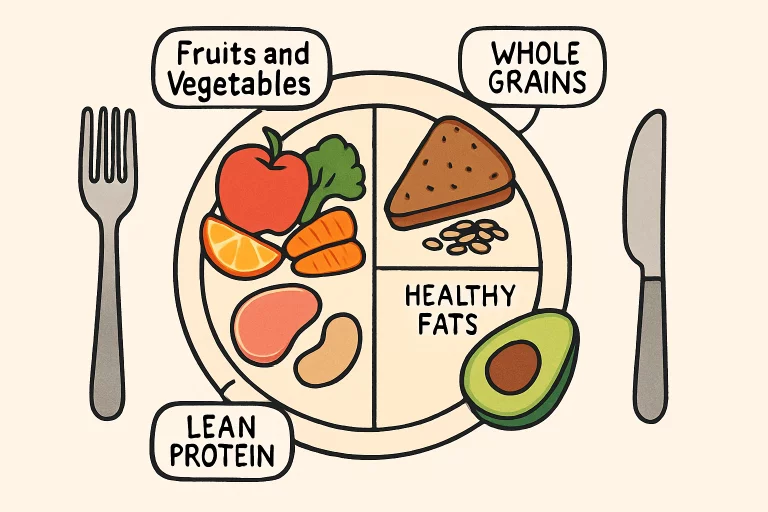
The foundation of a balanced diet is prioritizing whole, minimally-processed foods. Base most of your meals on a wide variety of fresh fruits and vegetables, filling whole grains like quinoa and brown rice, lean proteins such as fish and legumes, and healthy fats from nuts, seeds, olive oil, and avocados. The closer your food is to its natural state, the more likely it is to be nutrient-dense and satisfying, which helps prevent cravings and overeating.
Alongside food choices, paying attention to portion sizes and avoiding empty calories from sugary snacks, sweetened beverages, and refined grains is critical. These foods can easily derail your weight loss goals and often leave you feeling hungrier in the long term. Modern research increasingly shows that the quality of your food may be even more important than how much you eat. A recent study revealed people who concentrated on the nutritional value of their meals—rather than obsessively counting every calorie—experienced more meaningful and lasting improvements, both in their weight and their broader health metrics.
Practical Tips for Better Nutrition
- Plan your meals and snacks in advance to minimize unhealthy, impulsive choices.
- For maximum vitamins and fiber, aim to fill at least half your plate with a colorful mix of vegetables at every main meal.
- To cut empty calories, switch from sugary drinks, sodas, and juices to water, sparkling water, or unsweetened herbal teas.
- Cook at home more frequently to gain greater control over the ingredients, cooking methods, and portion sizes.
Regular Physical Activity
Consistent physical activity is essential for any successful weight loss journey, and its benefits go far beyond burning calories. Cardiovascular exercises such as brisk walking, running, dancing, or cycling improve heart health while also increasing daily energy expenditure. Strength training, using weights or body resistance, is equally vital because it builds lean muscle. More muscle boosts your resting metabolism, making it easier not only to lose weight but also to keep it off over time.
Health organizations recommend aiming for at least 150 minutes of moderate-intensity aerobic exercise each week, splitting sessions however best fits your lifestyle. In addition, two or more muscle-strengthening activities each week—such as lifting weights, resistance bands, or even yoga—ensure you develop better overall fitness, retain muscle as you lose weight, and support bone density.
Making Fitness a Routine
- Select activities you genuinely enjoy, from team sports to solo workouts, to make exercise an integral, enjoyable part of your routine.
- If time is tight, break workouts into shorter, more manageable periods throughout the day—it all adds up!
- Track your physical activities with fitness apps or simple logs to visualize progress and stay inspired.
Prioritizing Sleep and Stress Management
Often overlooked, sleep and stress are powerful factors that can make or break your weight loss efforts. Sleep deprivation throws off the body’s regulatory hormones, including those that control hunger (ghrelin) and fullness (leptin). When you’re chronically tired, you’re more likely to crave high-calorie foods and struggle with self-control, which can quickly stall weight loss or even cause weight gain.
Chronic stress has a similar negative effect. Under stressful conditions, your body produces higher levels of cortisol, a hormone that can trigger emotional eating and a preference for “comfort foods.” To counteract these tendencies, it’s important to build stress-busting habits into your daily routine. Practicing relaxation strategies such as deep breathing, guided meditation, gentle yoga, or simply enjoying time outdoors can lower stress levels, helping you make wiser food choices and stick to your healthy routines.
Setting Realistic Goals and Tracking Progress
Establishing clear, attainable goals and consistently tracking progress is a huge predictor of long-term weight management success. Rather than targeting a lofty, distant ambition, break your journey into manageable milestones—for example, aim to lose 5% of your body weight or add an extra serving of vegetables each day. These smaller benchmarks are less daunting, easier to achieve, and allow you to celebrate continual wins, keeping motivation high.
Tracking your habits—whether it’s noting foods and portions in a diary, logging workouts via an app, or weighing yourself regularly—brings valuable insight, keeps you accountable, and reveals helpful patterns for ongoing improvement. Studies show that those who regularly monitor their progress are not just more likely to lose weight, but also to maintain it and develop a more resilient, positive mindset.
Tools for Effective Tracking
- User-friendly food diary apps help you monitor calorie intake and nutritional balance without guesswork.
- Wearable fitness trackers or smartphone pedometers make it easier to gauge daily activity and motivate you to meet movement goals.
- Periodic weigh-ins or tracking body measurements serve as tangible feedback and help you adjust strategies as needed.
Seeking Professional Support
While self-directed efforts are a powerful starting point, working with experienced professionals can make a significant difference—especially if you’ve encountered obstacles or have specific health considerations. Registered dietitians, licensed health coaches, and medical providers offer personalized guidance, evaluate underlying hormonal or metabolic issues, and design customized plans that fit your lifestyle and personal health history. Specialized programs can be especially valuable for those wishing to pursue science-backed strategies and enjoy structured, ongoing support along their path.
Beyond expertise, professional support supplies accountability and encouragement—two cornerstones of lasting behavioral change. Attending check-ins with a professional, participating in group sessions, or even engaging through digital platforms can all boost your motivation, increase your commitment, and help you address challenges as they arise, ensuring you maintain your positive momentum.
Conclusion
Achieving and maintaining sustainable weight loss is entirely possible when approached as a holistic, ongoing commitment—not a fleeting diet or temporary challenge. Prioritizing nutrient-rich foods, staying active with movement you enjoy, ensuring optimal sleep, proactively managing stress, tracking your journey, and enlisting expert guidance as needed are all critical pieces of the puzzle. If you root your approach in these sustainable, evidence-based strategies, you can foster a healthier, lasting relationship with your body and experience enduring benefits to your overall well-being. Embrace the journey—real change happens through patience, consistency, and a willingness to care for your health for years to come.
