
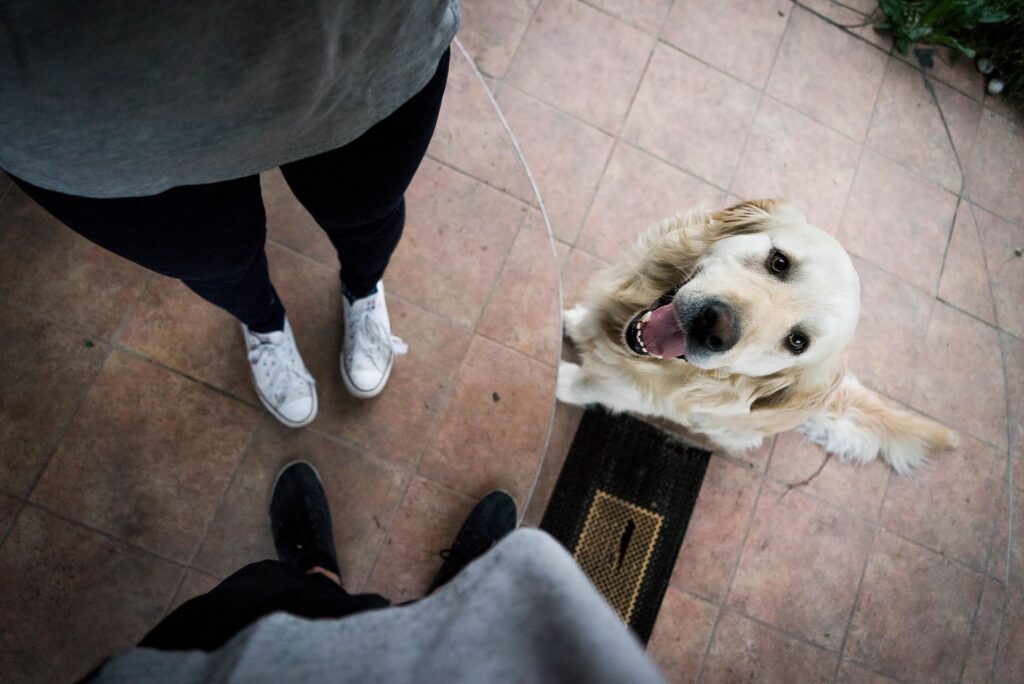
Watching your dog grow older can bring a mix of joy and worry. Their playful energy slows, joints may ache, and even familiar routines can become a little harder. At the same time, their calm companionship deepens, offering quiet, unconditional love. Making thoughtful adjustments at home can help your senior dog enjoy their later years with comfort and dignity.
Making the Home Comfortable
For many senior dogs, mobility changes are one of the first signs of aging. You might notice a little hesitation before climbing stairs or a preference for soft, familiar spots on the floor. Small adjustments—like placing their bed in a low-traffic, easy-to-reach area or adding rugs on slippery surfaces—can make a real difference. Some families find that ramps or gentle steps help their dogs move around safely without the strain of jumping.
Feeding and hydration can also require attention. A senior dog’s joints and neck may not handle bowls on the floor as easily as before. Elevated bowls or putting essentials within reach keeps mealtime comfortable, and it reduces stress for both pet and owner. Temperature sensitivity is another common issue. Older dogs often feel the cold more intensely, and hot summer days can leave them overheated quickly. A cozy blanket or a pet-safe heated pad during colder months, and a cool, shaded resting space in the summer, can keep them comfortable throughout the year.
Watching Health and Well-being
As dogs age, chronic conditions become more common. Kidney disease, heart problems, and cognitive changes can all affect their quality of life. Subtle signs—like changes in appetite, increased thirst, or restlessness—can signal that your dog may need closer attention. Regular veterinary visits remain important, but careful observation at home is just as valuable.
In some cases, chronic illnesses progress to a point where daily life becomes very challenging. Kidney failure, for instance, is one of the most common serious health issues in dogs. In the final days of a dog with kidney failure, it may experience increased fatigue, nausea, or withdrawal, and their appetite and activity may noticeably decline. Gentle care, close companionship, and careful monitoring can help make this stage more comfortable for your dog and less stressful for you, allowing families to provide the support their pets need as they near the end of life.
Being Present Through the Final Chapter
Thinking ahead to the end of life is never easy, but it can ease both your dog’s experience and your own emotional burden. Many pet owners explore options for at-home care or palliative support, allowing their dog to pass in a familiar, comforting environment. When the time comes to put a dog down peacefully, doing so in a calm setting surrounded by love can help the family say goodbye with dignity. Compassionate veterinary services are there to provide guidance and support through this process, both medically and emotionally.
Ultimately, caring for a senior dog is about reciprocating the love they’ve given you for years. Thoughtful adjustments, attentive care, and emotional presence can make their golden years—and their final moments—as safe, comfortable, and peaceful as possible.
