
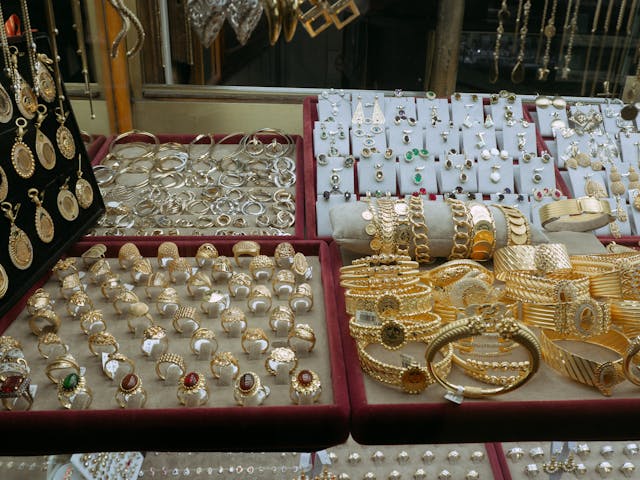
Jewelry found abroad holds more than shine—it reflects the essence of a place. Each crafted detail carries the imprint of its maker, uniting tradition with artistry. A necklace or ring becomes a tangible echo of culture, transforming memory into something lasting, a story woven into metal and stone rather than fading in thought.
Yet brilliance can disguise. Amid vibrant markets and tempting displays, imitation often hides in polish and persuasion. Recognizing genuine work, identifying trustworthy sellers, and securing authentic records turns desire into certainty. What results is not simply ornament but a lasting emblem of travel, authenticity, and cultural heritage.
Selecting Reputable Jewelers in Tourist Hubs
Reputation often reveals itself through small but telling signs. Long-established shops displaying detailed records, consistent branding, and visible ties to recognized luxury houses usually operate with standards that protect buyers. Family-run St Thomas jewelry stores may reflect years of trusted tradition, while larger brand outlets reinforce confidence through formal warranties and transparent procedures. Setting, presentation, and staff knowledge often communicate credibility before a single purchase is discussed.
Local insight adds another layer of certainty. Recommendations from concierges, seasoned residents, or nearby merchants often highlight jewelers known for reliability. Online reviews supported with photos and dated experiences reveal consistent patterns of quality. Confirmed listings on official dealer registries and warranty booklets stamped with clarity provide final reassurance, turning uncertainty into confidence at the point of purchase.
Requesting Proper Documentation Before Purchase
Paperwork determines if a stone or setting carries lasting value. A genuine gemological report from respected laboratories such as GIA, IGI, or AGS should include carat weight, dimensions, clarity, treatments, and a unique report number. Buyers can confirm authenticity through the laboratory’s online system or by calling directly, reducing uncertainty about manipulated documents.
For branded jewelry, serial numbers linked to the manufacturer provide added verification. Receipts should clearly state seller contact information, purchase date, metal type, gemstone details, and any applicable tax. Pairing receipts with photographs of the item and storing digital copies in secure cloud locations makes later checks simpler. Together, these documents safeguard both monetary worth and personal peace of mind.
Inspecting Jewelry With a Careful Eye
Close observation often reveals the difference between quality and imitation. Purity marks, such as 750 for gold or 925 for silver, should appear clear, proportional, and firmly struck rather than faint or misplaced. Cleaning a piece before inspection makes these indicators easier to identify, while a small magnifying lens exposes irregularities that suggest rushed or careless production.
Attention should also fall on the structure of the piece. Well-set prongs, aligned facets, and smoothly articulated links suggest attention to durability. Clasps must function smoothly without stiffness or weakness, and running a fingertip along settings helps reveal unevenness. These checks allow travelers to recognize jewelry designed for lasting wear instead of surface appeal alone.
Asking Direct Questions That Test Transparency
Dialogue with sellers often uncovers the difference between genuine expertise and surface-level persuasion. Asking about origin, treatments, and trade partners shows whether records are maintained with care. Questions about laboratory affiliations, grading standards, and consistency between documents and the physical piece provide valuable insight into authenticity and seller reliability.
Transparency also shows in how sellers handle comparison. Viewing items side by side highlights differences in hallmark clarity, cut, or color, while discussions of return policies reveal confidence in product quality. Recording receipts and photographs at the point of purchase creates an additional safeguard, supporting future claims if needed.
Safeguarding Purchases Once You Return Home
Securing jewelry after travel protects both sentimental and financial value. Independent appraisals conducted by certified gemologists confirm authenticity, carat, and clarity, while also supporting insurance coverage. For branded items, registration with the manufacturer through serial numbers activates warranties and records ownership, making verification easier in the future. Proper documentation turns a decorative item into an asset supported by recognized records.
Storage is equally important. Original receipts, certificates, and photographs should be filed both physically and digitally. Encrypted cloud backups paired with secure paper copies guard against loss. Insurance claims or resale processes move faster when organized records exist, giving buyers confidence that what began as a meaningful purchase abroad continues to hold secure, demonstrable value.
A treasure acquired abroad becomes more than an object—it holds meaning within its form, blending artistry with memory. Its significance deepens when chosen with care, supported by trusted sellers, authentic documentation, and careful inspection. Once home, professional appraisal, organized records, and secure storage preserve value beyond the initial purchase. What begins as adornment matures into heritage, reflecting culture and experience in lasting form. Handed forward, it carries not only beauty but also the enduring stories of travel and connection, sustaining both sentiment and authenticity across generations.
Photo by Meruyert Gonullu: https://www.pexels.com/photo/
