
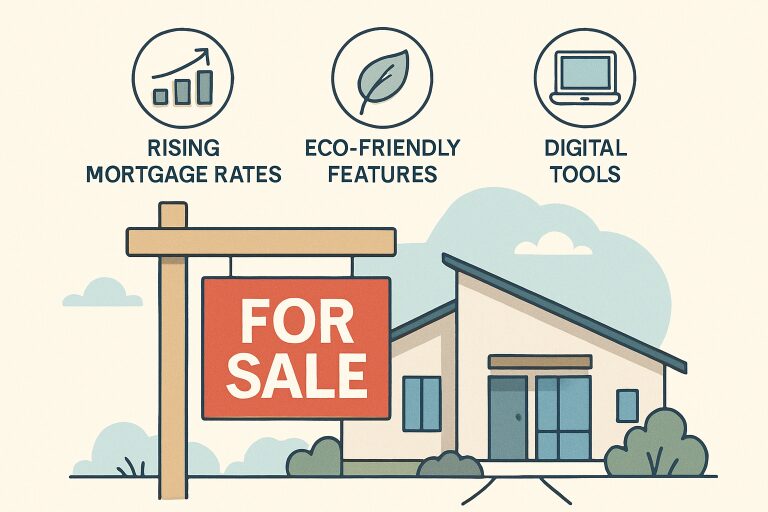
As the year 2025 unfolds, the housing market is presenting prospective buyers with new dynamics and key challenges they haven’t seen in years. Whether you’re a first-time buyer or looking to invest, understanding these current trends will position you to make strategic moves in today’s environment. For those seeking local expertise, especially in highly desirable locations, connecting with leading professionals like Barrington real estate agents Rob Morrison Team can give you the edge you need to confidently navigate these market changes and find your ideal property.
Housing affordability, interest in new construction, and emerging technologies are among the forces shaping the decisions of homebuyers this year. By keeping track of these factors and staying informed, you can not only avoid common pitfalls but potentially maximize your investment and lifestyle choices in 2024.
Rising Mortgage Rates and Affordability
Mortgage rates have climbed steadily, with the average 30-year fixed mortgage approaching 7% as of early 2024. This sharp increase significantly impacts purchasing power, as buyers find their monthly payments higher than anticipated. A majority of would-be buyers, according to surveys, now debate delaying purchases or seeking alternative mortgage products. The uncertainty around rate fluctuations has also encouraged more buyers to lock in rates sooner and rethink their budgets. In this environment, flexibility and preparedness are more valuable than ever.
Increased Interest in New Construction
The supply of existing homes for sale remains tight, fueling a significant shift towards new construction properties in 2024. Over half of buyers are now eyeing new builds, drawn by energy efficiency, customization options, and the promise of fewer repairs. Builders have taken notice, ramping up production while also sweetening deals through incentives like interest rate buydowns and flexible closing costs. These offerings make new homes competitively appealing, especially for buyers seeking move-in-ready options with modern technology and amenities.
Co-Buying as a Strategy
To tackle high prices and steep rates, many prospective homeowners are turning to co-buying, in which friends or family combine resources to purchase property. This model, once uncommon, is now embraced by over a quarter of buyers. The incentives are clear: co-buying expands buying power and reduces individual financial strain, enabling purchasers to target better locations or larger homes. Shared ownership brings additional considerations, such as legal agreements and shared responsibilities, making careful planning and communication essential.
Sustainability and Energy Efficiency
Homebuyers in 2024 are more environmentally conscious than ever, driving up demand for properties designed for energy savings and sustainability. Features including solar panels, higher insulation ratings, smart energy controls, and sustainably sourced building materials are increasingly part of buyers’ checklists. Energy-efficient homes not only appeal to eco-minded buyers but also pay off through reduced utility costs and higher potential resale values—market premiums range from 7 to 10% for certified green properties.
Technological Advancements in Home Buying
Technology is transforming the ways buyers search for and secure homes. Virtual tours, interactive floor plans, and AI-powered property recommendations enable buyers to narrow their choices efficiently—often before setting foot on the property. Newly adopted tools like blockchain are poised to further streamline and secure real estate transactions, offering faster closings and heightened security. This convenience, combined with broader transparency, is especially attractive to remote and out-of-state buyers.
Urban Revitalization and Suburban Growth
While urban centers invest in revitalizing neighborhoods and building mixed-use spaces, suburban and exurban areas are seeing renewed interest, thanks to remote work trends. Buyers are increasingly willing to trade city proximity for more space and affordable pricing, especially when high-speed internet and good schools are available. Meanwhile, cities that successfully improve livability and inject vibrancy into formerly overlooked areas are attracting younger buyers and investors back to the urban core.
Multi-Generational Living
A growing number of buyers are choosing homes that support multi-generational living. Driven by economic pressures, cultural values, and a desire for closer family connections, these arrangements often call for features like separate entrances, dual kitchens, and independent living areas within a single property. Builders are responding with floorplans explicitly tailored for these evolving needs, reflecting a broader shift in buyers’ priorities.
Impact of Climate Change on Insurance
Climate risks now factor directly into homeownership costs and decisions, with insurance premiums climbing significantly in areas vulnerable to wildfires, floods, and hurricanes. Some regions have seen insurance rates spike by as much as 400% in just five years, prompting buyers to scrutinize both environmental risk profiles and the long-term sustainability of their investments. Experts recommend due diligence and early investigation into required insurances to prevent shocks after closing.
By understanding these evolving trends, buyers can make more informed and confident decisions in today’s fast-paced and complex real estate market. By being proactive and tapping into trustworthy sources and tools, you can turn challenges into opportunities.
